Roof Moss Prevention in Portland: Zinc Strips, Treatments, Timing, and What Actually Works
Moss prevention on a Portland roof is a cadence, not a product. Zinc and copper strips help the top few feet below them and fade. Trimming the trees helps everything but takes years to show. The thing that works every time is a roof-safe treatment applied on a schedule matched to the shade, with the debris blown off before it mats. This guide ranks the options honestly, including the ones we do not sell.
Want it handled by a Portland crew? Book roof cleaning and moss removal in Portland
Why some Portland roofs never get moss and the neighbor's always does
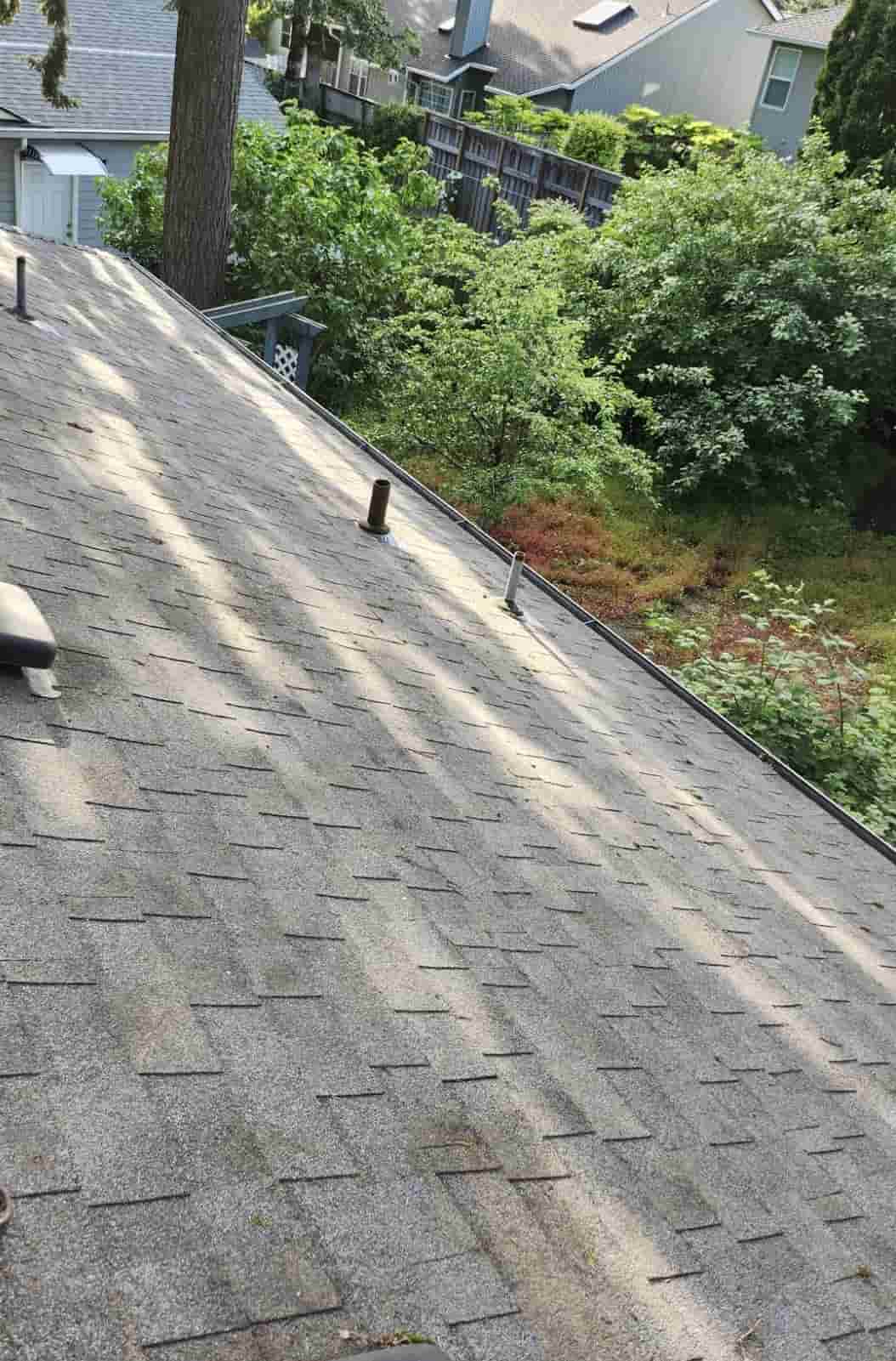
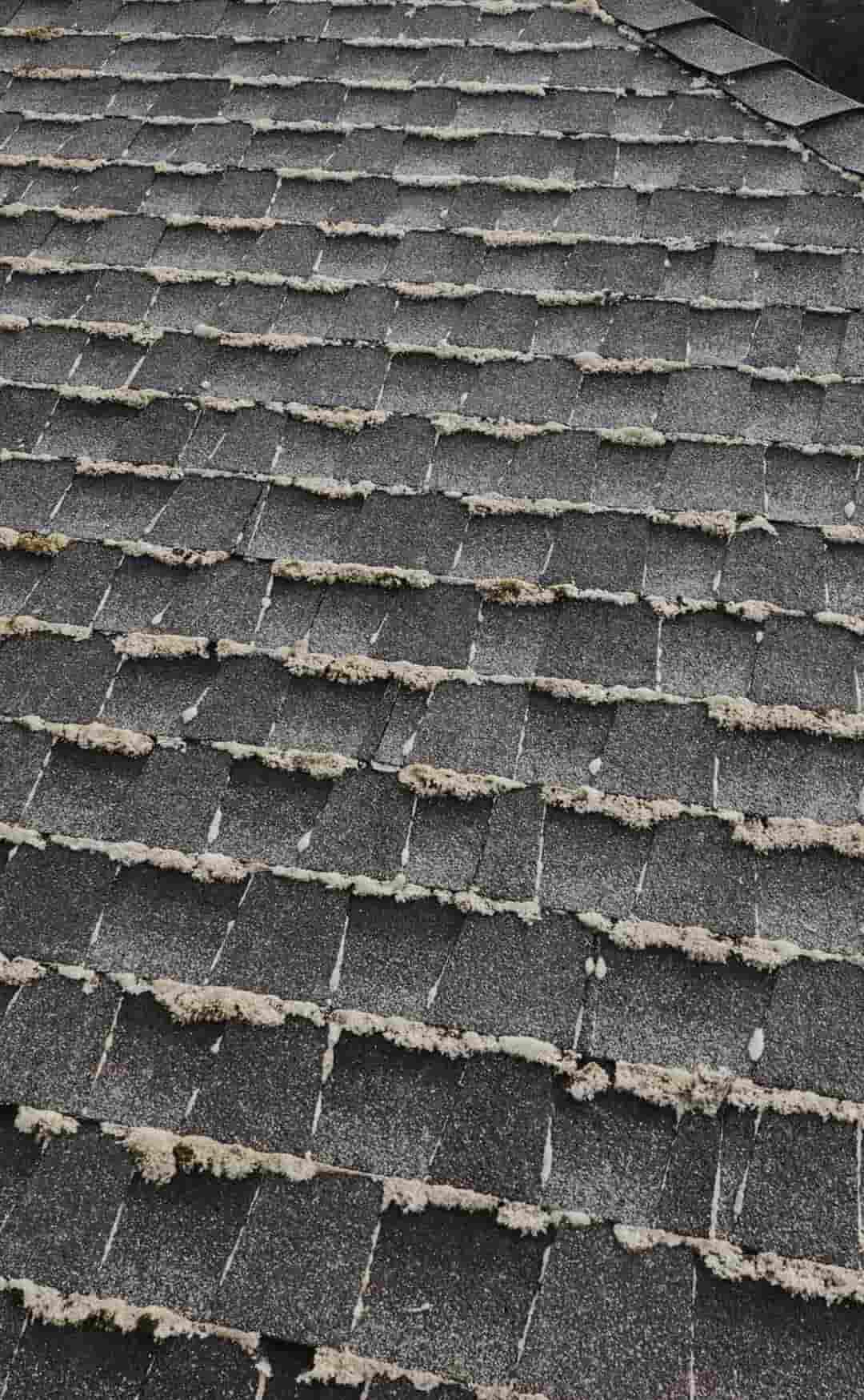
Moss needs three things: moisture that stays, shade, and something to hold onto. Portland supplies the first two for most of the year, and a granule-coated shingle supplies the third. That is why prevention is about the first two. A south-facing roof in the open dries within hours of a shower and stays almost clean without anyone's help. The same shingles on a north slope under a Douglas fir stay damp for months, catch needles that hold the damp, and grow moss on a schedule. Everything below works by changing the moisture or the shade, or by killing the moss before it gets a foothold.
Zinc and copper strips: what they do and what they do not
Metal strips along the ridge release trace ions every time it rains, and those ions wash down the slope and inhibit moss for a band of roughly three to six feet below the strip. That is real, and on a new roof with a short slope it can keep the whole plane cleaner for years. The limits are also real. The effect fades as the strip weathers, it does not reach the bottom of a long slope, it does nothing for the valleys and the shaded eaves where moss starts, and it does not kill moss that is already there. Copper works better than zinc and costs more; galvanized flashing is a poor substitute. We treat strips as a bonus on a roof that is being maintained, not as the maintenance.
Treatments on a cadence: the method that works
A roof-safe moss treatment applied to the whole roof kills the moss that is starting and keeps the film from becoming a mat. Applied on a cadence matched to the roof's shade, it is the closest thing to prevention that exists for an established roof. Open, sunny roofs: every two to three years. Partly shaded roofs, or roofs with one bad slope: every one to two years. Roofs under firs and maples: yearly, with a blow-off in fall after the needle drop and another in spring. On that cadence the roof never needs a removal, and the visit stays the cheap kind.
The products used for this are low-toxicity formulations made for roofs, applied at label rates to a dry roof with rain a day or two out so they soak in before they rinse. That timing matters more than the season. In Portland, fall and winter applications get the most help from the weather, and a spring application catches the winter's growth while it is thick and visible.
Debris, gutters and trees: the unglamorous half
A needle mat is a sponge on top of a sponge. Blowing it off in fall, after the firs have dropped, and again in spring is as much moss prevention as the treatment is. Clean gutters matter for the same reason: a roof edge that sits in standing water grows moss at the eave first, and that is where the shingle edge lifts. And the single most effective long-term change is light. Trimming branches back off the roof, or taking down a tree that shades the whole north side, changes the moss schedule for as long as the roof lasts. It is not our service, but we will tell you when it is the answer.
What a prevention plan costs
A treatment-only visit is the least expensive roof service, commonly $350 to $600 for a single-story roof, more for two stories and steep pitches. A blow-off with gutter cleaning is priced like a gutter visit. On a monthly home-care plan, the treatment and the seasonal blow-offs are scheduled and priced at 95 percent of the standalone rate, spread over the year. Over ten years, a shaded roof on that cadence costs a fraction of one removal plus the years the roof would have lost.
Put the roof on a cadence
Pick the closest description. Each option opens the plan builder with the roof visits already set and measured from your address.
Open roof
Sun most of the day, few trees. Treatment every two to three years.
Every 2 to 3 yearsPrice itOne bad slope
North side stays green, the rest is fine. Treatment every one to two years, gutters twice.
Every 1 to 2 yearsPrice itUnder the firs
Yearly treatment, fall and spring blow-offs, gutters each time.
Yearly plus blow-offsPrice the yearly planWant the whole house priced at once? Build my plan from my address and every service shows its own visit count and monthly number.
Questions homeowners ask
Do zinc strips prevent roof moss?
Partly. They inhibit moss for a band of roughly three to six feet below the strip, work best on new roofs, and fade as they weather. They do not reach the bottom of a long slope, the valleys or the eaves, and they do not kill moss that is already growing.
What can I put on my roof to stop moss growing?
A roof-safe moss treatment applied to the whole roof on a cadence: every two to three years in the open, yearly under trees. Keeping the roof clear of needle debris and the gutters flowing does the rest.
When is the best time of year to treat a roof for moss in Portland?
Any dry day with rain a day or two away. Fall and winter applications get the most help from the weather; spring catches the winter's growth while it is visible. What matters is the cadence, not the month.
How often should a roof be treated for moss?
Every two to three years for an open roof, every one to two years for a partly shaded roof, and yearly with blow-offs for a roof under firs or maples.
Is a moss prevention service worth it?
For a shaded roof, yes. A treatment visit every year or two costs a fraction of a removal, and it keeps the shingles dry enough to reach their full life.