Why the North Side of Your Portland House Turns Green, and How Often to Wash Siding and Concrete
The green on your north wall and the black on your shaded driveway are the same story: a surface that never fully dries. How often it needs washing depends on how much shade it lives in and what drips onto it.
Want it handled by a Portland crew? Book house washing in Portland
Why it is always the north side
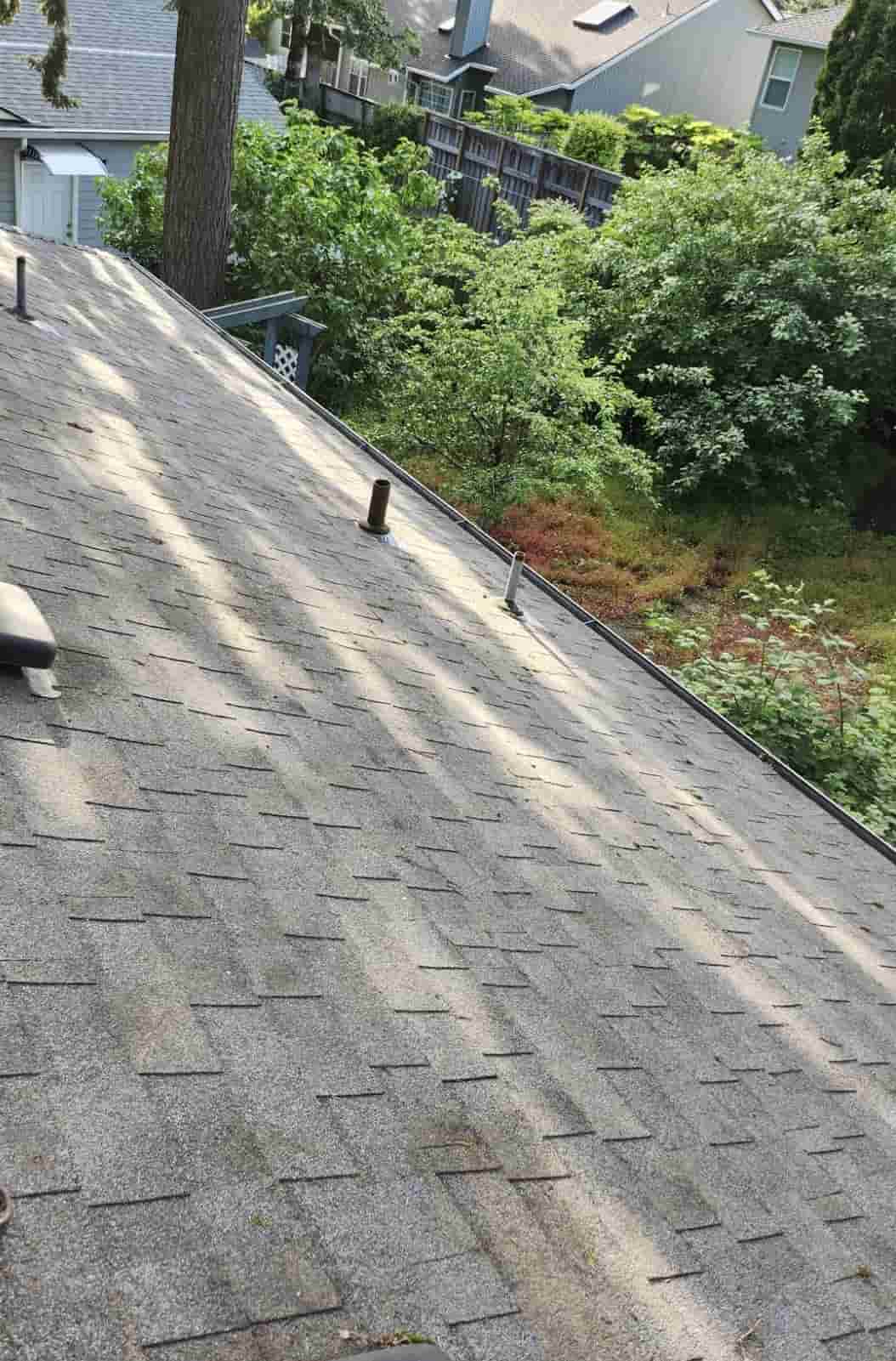
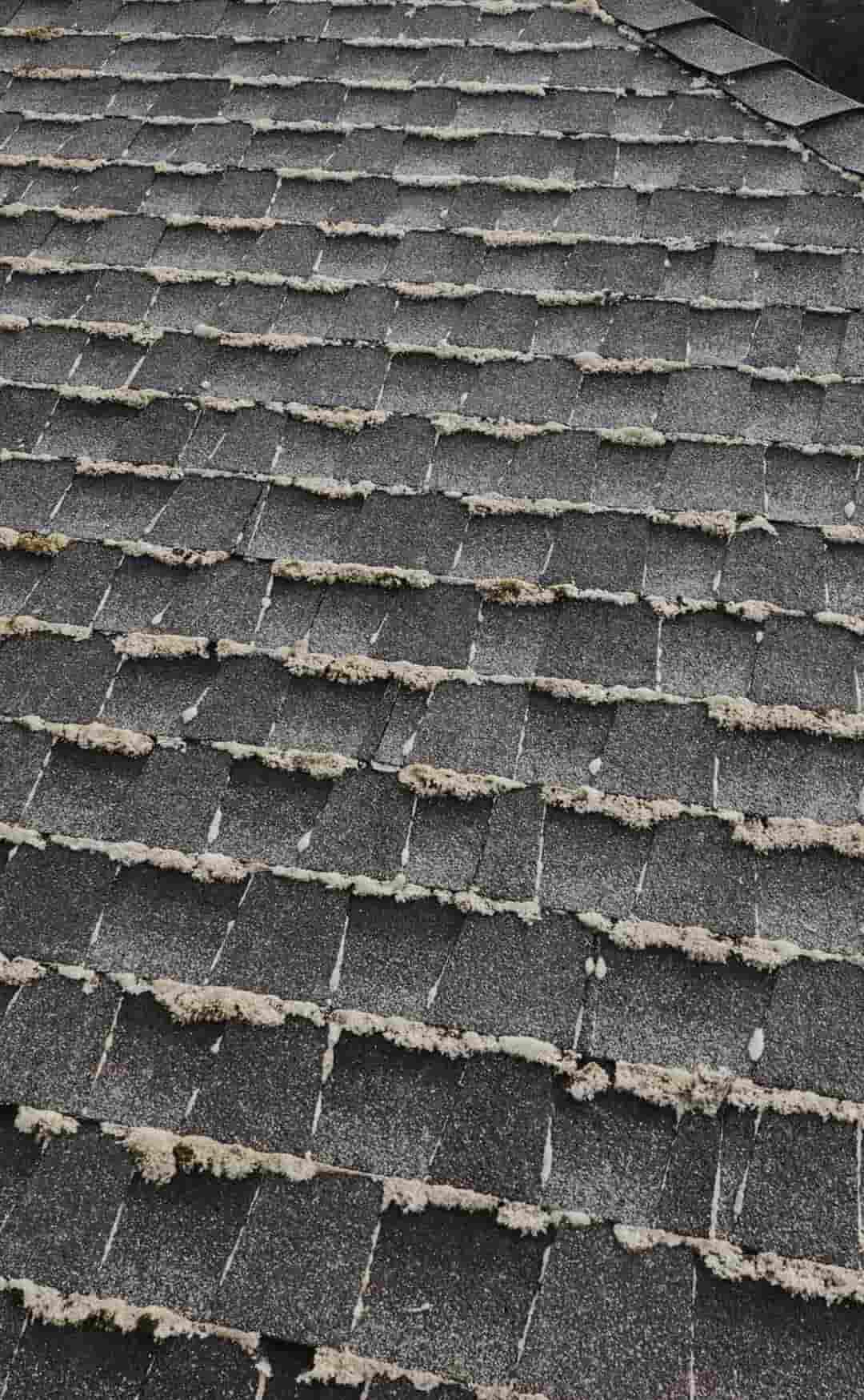
Walk around almost any house in the metro and the north and east walls tell on the weather. Those faces never get direct sun. Morning dew and winter rain sit on them for hours, and if a tree or fence line adds shade, they can stay damp for days. Green algae grows on siding under those conditions, moss takes the concrete joints and pavers, and the black film on a shaded driveway is algae too.
The 1950s and 60s ramblers of Milwaukie and Oak Grove with a north-facing back wall, the hillside homes in West Linn and Happy Valley with a shaded lower floor, and the tree-lined blocks of Lake Oswego show it most, but the pattern is everywhere.
Every two to three years: open lots
A house with an open lot and sun on most walls stays clean a long time. Siding on these homes goes two or three years between washes, and the driveway gets a pressure wash when the oil spots and winter grime start to show, usually every year or two. Newer streets in Happy Valley, Clackamas and Oregon City are typically here.
The one exception is the north wall itself, which can green up on its own schedule even when the rest of the house is fine. Washing just that wall is a reasonable ask.
Yearly: shade and tree drip
Under trees or in a shaded corner, the interval closes to a year. Siding below a maple collects honeydew that algae grows on. A patio under firs gets a needle mat that feeds moss. The strip of driveway along a fence line greens up while the sunny half stays grey. Older neighborhoods with mature trees are the yearly houses: Sellwood, Eastmoreland, the lake streets in Lake Oswego, Oak Grove along the river.
The best window is the dry season, late spring through early fall, after the pollen and before the rain returns, and after the roof and gutters have been cleared so the wash does not get undone by the next drop.
Siding is soft-washed, concrete is pressure-washed
The two surfaces want opposite methods. Siding, trim and painted surfaces get a soft wash: low pressure and a cleaning solution that kills the algae, because pressure can drive water behind lap siding and lift chalky paint. Sound concrete takes a pressure wash that lifts the black film and the moss out of the joints. Pavers sit in between: enough pressure to clean, not enough to blow out the joint sand.
Oxidized paint, failing mortar, loose seals and older coatings are flagged before either method starts, so the result is a clean surface rather than a repair.
Signs it is time
A green film that comes off on a fingertip. Black streaks under windows and along the bottom course of siding. A walkway that gets slick in the rain. Moss lines in the driveway joints and along the fence side. A shaded patio that smells of mildew after a storm. Any of those means the surface has been wet too long and the interval is due.
Slick concrete is the one that should not wait. It is a fall waiting to happen for anyone carrying groceries in December.
Which one is your house?
Look at the north wall and the shaded end of the driveway, then pick the closest match. Each option opens the plan builder with that wash schedule already set and measured from your address, so you can see the yearly cost of keeping the green off. One-time washes are welcome too.
Open lot
Sun on most walls, a driveway that dries by mid-morning.
House wash every 2 to 3 years; driveway when it showsSee the driveway priceOne shaded side
A north wall that greens up, a fence-line strip of driveway that stays dark.
House wash yearly; concrete yearlySee the yearly priceUnder the trees
Maples or firs dripping on siding and patio, moss in every joint.
House wash yearly; concrete twice a yearSee the full-schedule priceJust want the green gone once? Request a measured quote and we will price a single wash.
Questions homeowners ask
Will a house wash damage my paint?
A properly done soft wash should not, because it relies on low pressure and a cleaning solution rather than force. High pressure can damage paint and drive water behind siding, which is why we do not use it on walls. Chalky or failing paint is flagged before we start rather than discovered by the hose.
Can the driveway be sealed to stop the green?
A sealer slows it and makes the next wash easier, but a surface that stays shaded and damp will green again. Washing on the shade-side schedule matters more than any coating.
Why is only one side of the driveway green?
Shade. The strip along the fence or under the tree never dries, so algae and moss take it while the sunny half stays clean. That strip sets the schedule for the whole driveway.
Should the roof be done before the siding?
Yes. Blow-offs and gutter cleaning first, then the wash, so the next rain does not rinse roof debris down freshly cleaned walls.